LIFT UP LOCAL 045
Written by Pamela Patton
📷 courtesy of Amber Rose Photography
A Beautiful Blooming Beast
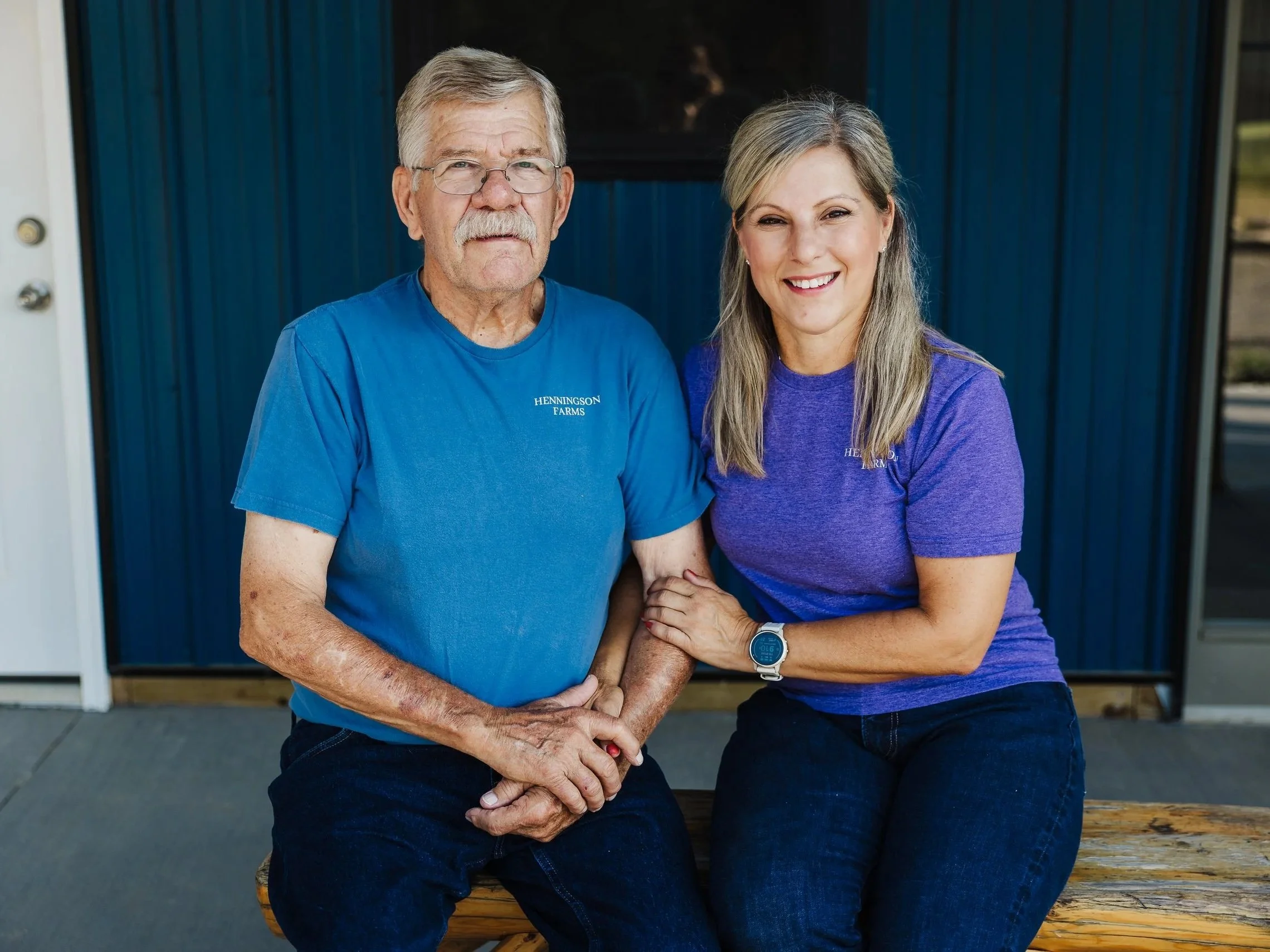
For many gardeners, a few flowers in a planter box or decorative pots are enough. Others cultivate carefully designed beds and borders. Henningson Farms, however, began with a simple family conversation that grew into a thriving agricultural enterprise.
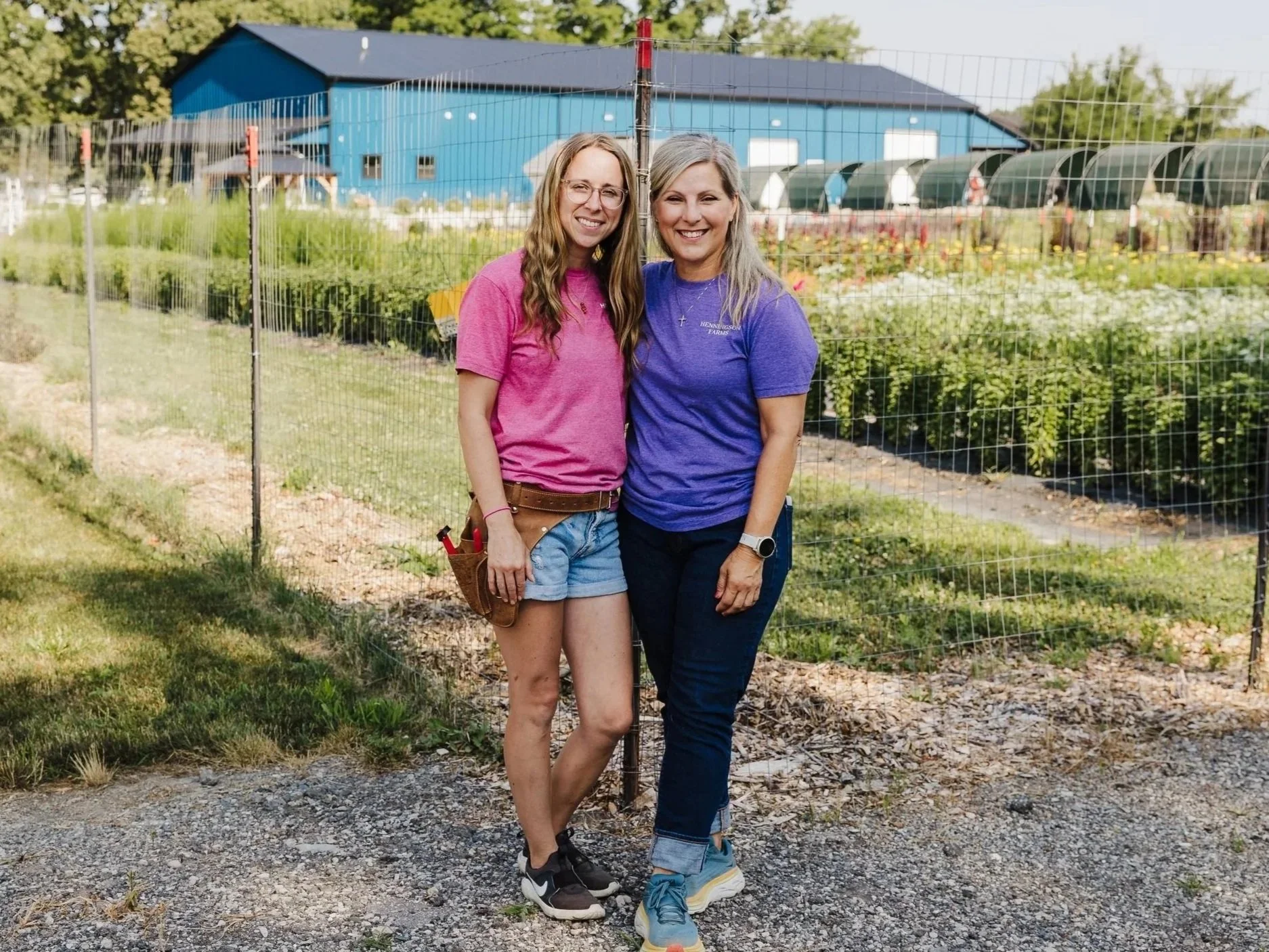
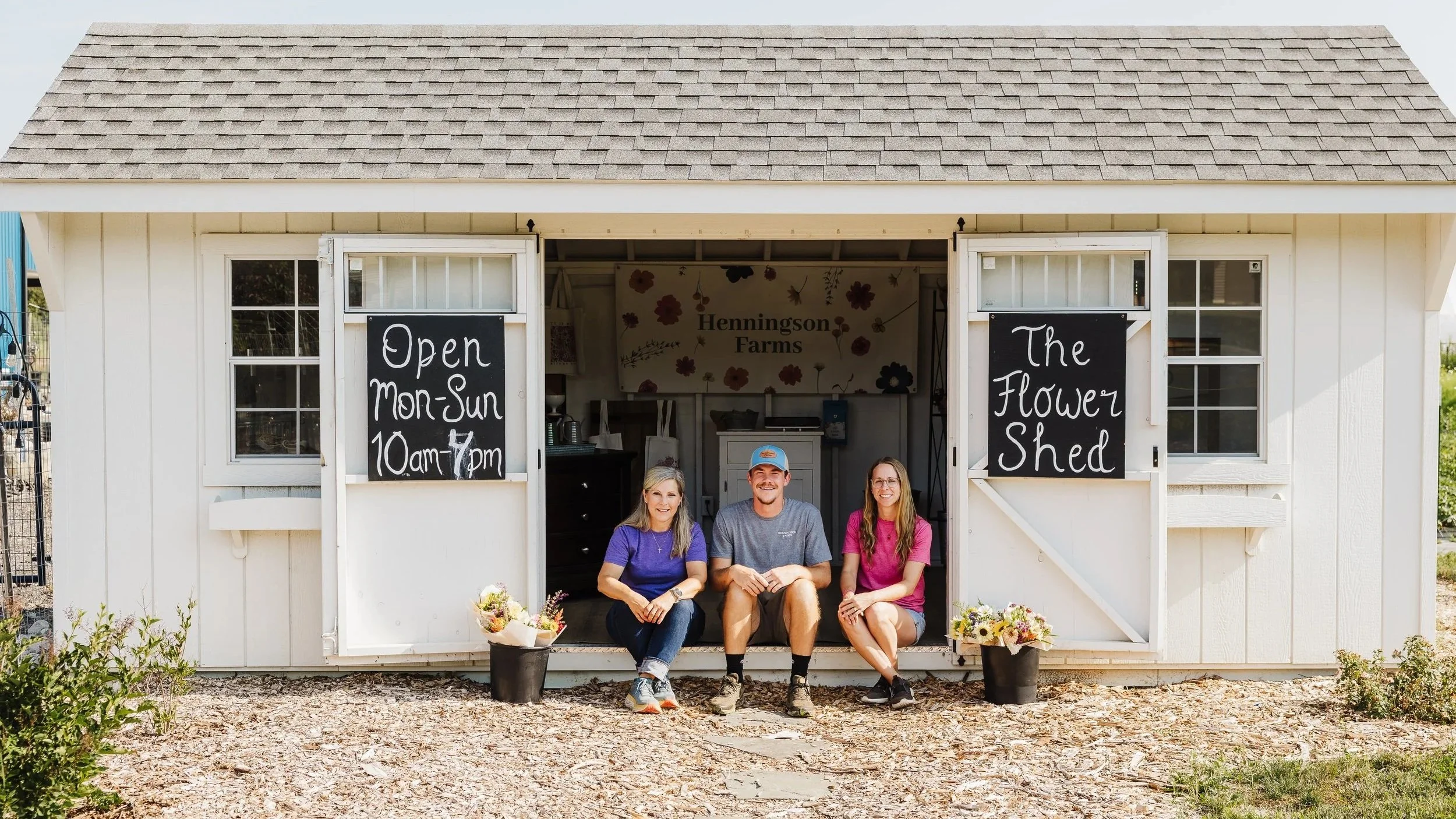
The farm began as a "What-If" moment when Suzi Henningson's daughter-in-law, Kayla, wanted to leave her full-time career and spend more time with her children, so she and Suzi talked about what they could do to make it happen. “She loved her job,” Suzi says. “But she wanted more time with her kids, my grandkids.”
The family began asking a simple question: What if they used the quarter-acre field between their two homes to start a small cut-flower business and generate a little extra income?
What started as a modest venture quickly exceeded expectations. That quarter-acre has expanded into “a beautiful blooming beast”, and the idea of earning a little pocket change has evolved into a flourishing flower farm.
A major turning point came in 2025, when tariffs made imported tulips more difficult for florists to source. “It just catapulted the business,” Suzi says. “It really made me realize the value of what we were adding.”
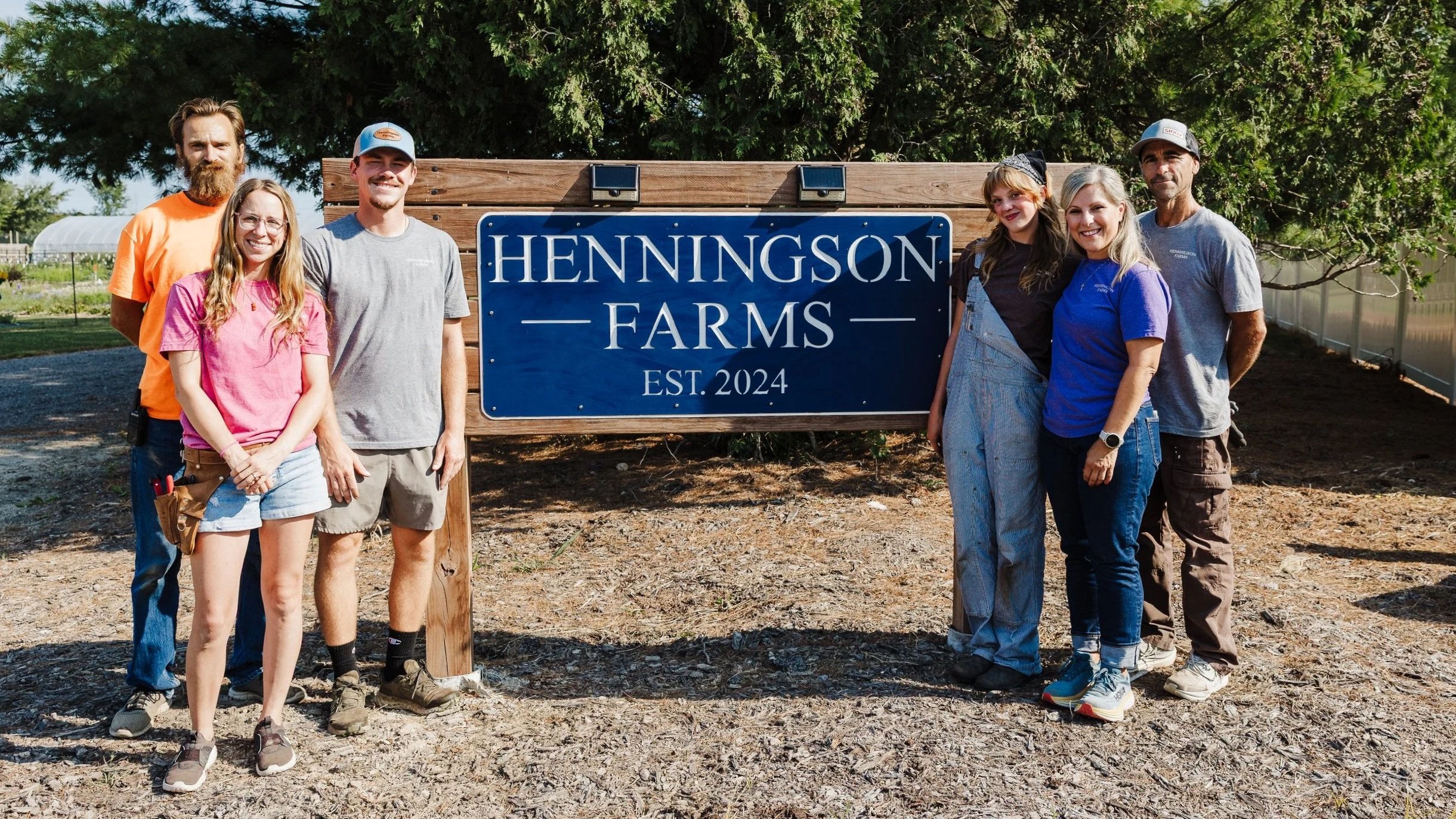
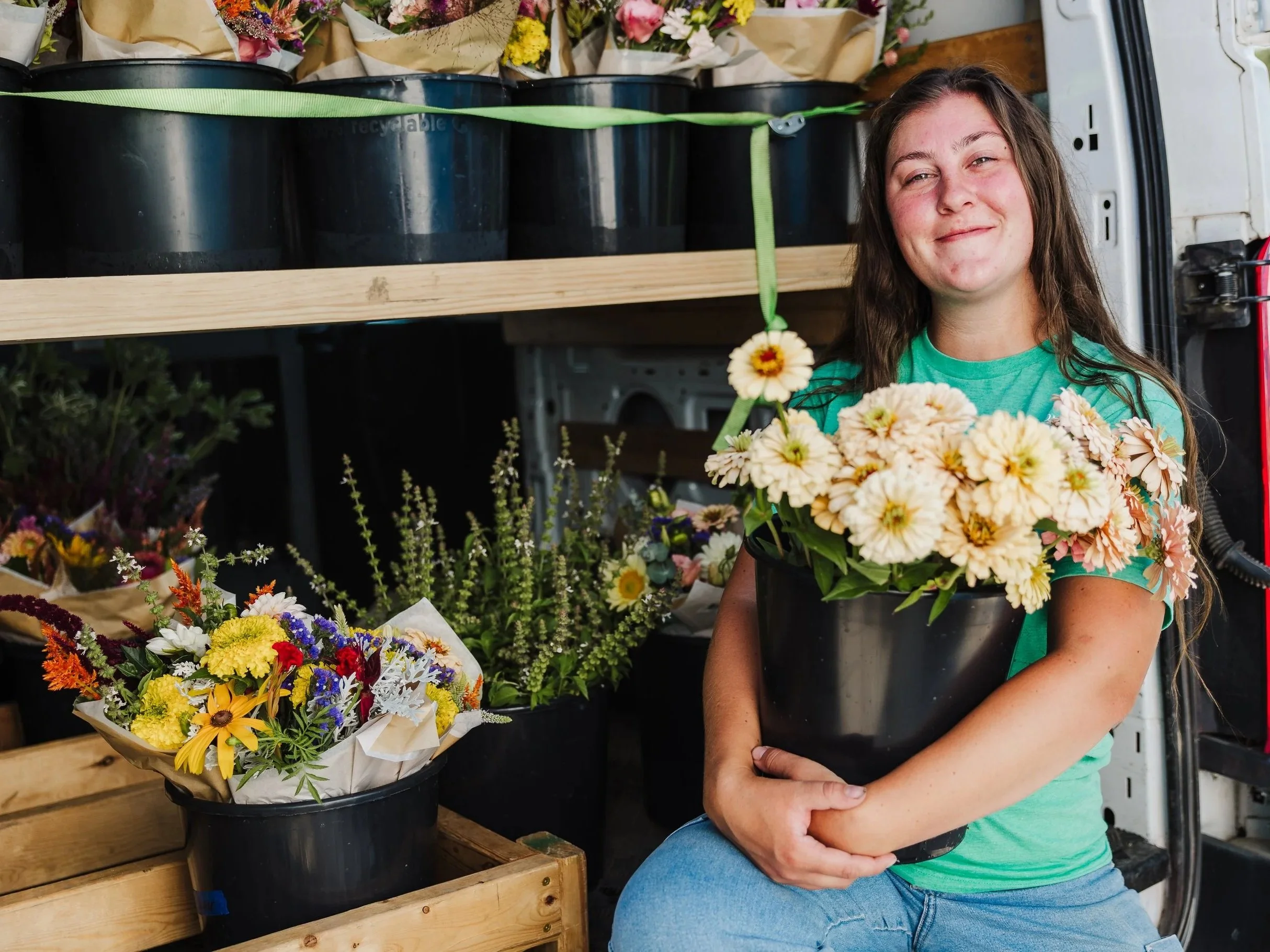
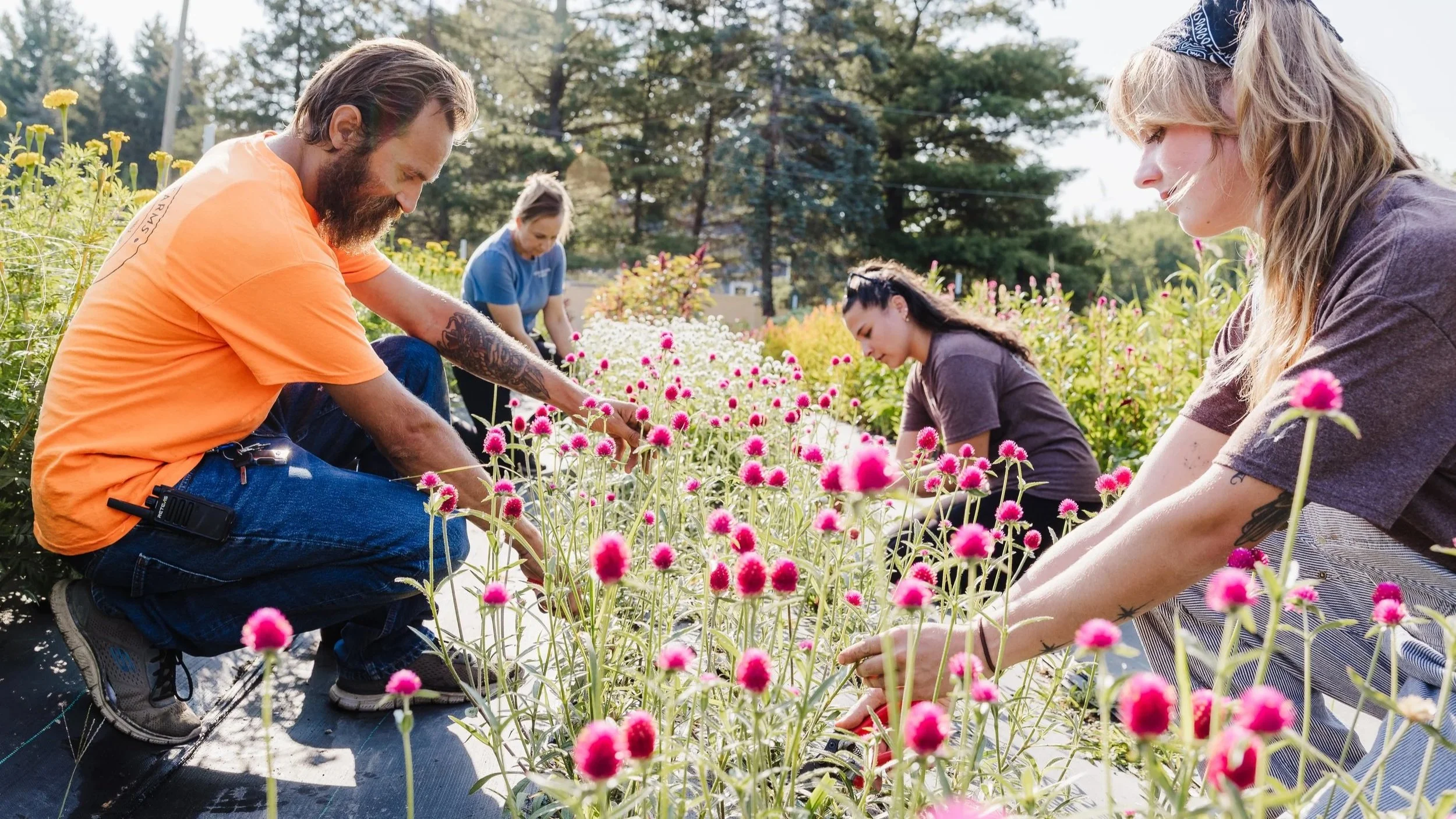
Today, Henningson Farms spans five-and-a-half acres and employs six full-time staff members. The farm supplies market bouquets to Meijer Market Stores, wholesales flowers to florists and businesses with in-house floral designers, and provides DIY flower buckets for weddings and special events. Henningson Farms' bouquets are designed according to a consistent recipe: two or three foliage stems, two or three filler flowers, two or three focal blooms, and what Suzi calls the “little whimsical floaters.”
Its newest venture involves dahlia tuber production, with approximately 6,500 tubers currently planted. “The dahlias are cut and sold like everything else, but the tuber beneath the plant is lifted at the end of the season,” Suzi explains. “Each one can produce roughly ten additional tubers.”
Depending on the variety, a single tuber may sell for $10 to $40. “There’s this whole crazy, lovely, amazing community of people who are dahlia-obsessed, just like me,” she says. “When the dahlias are in full bloom, a drone captures the vibrant display.”
The farm operates on a carefully coordinated production schedule with little downtime throughout the year. Every flower begins as a seed under 24-hour grow lights before workers transplant it by hand into the field.
Two heated high tunnels support crops for Easter and Mother's Day, nurturing cool-season flowers such as ranunculus, sweet peas, and tulips. Unheated tunnels take over in late spring, producing snapdragons and peonies as the growing season progresses.
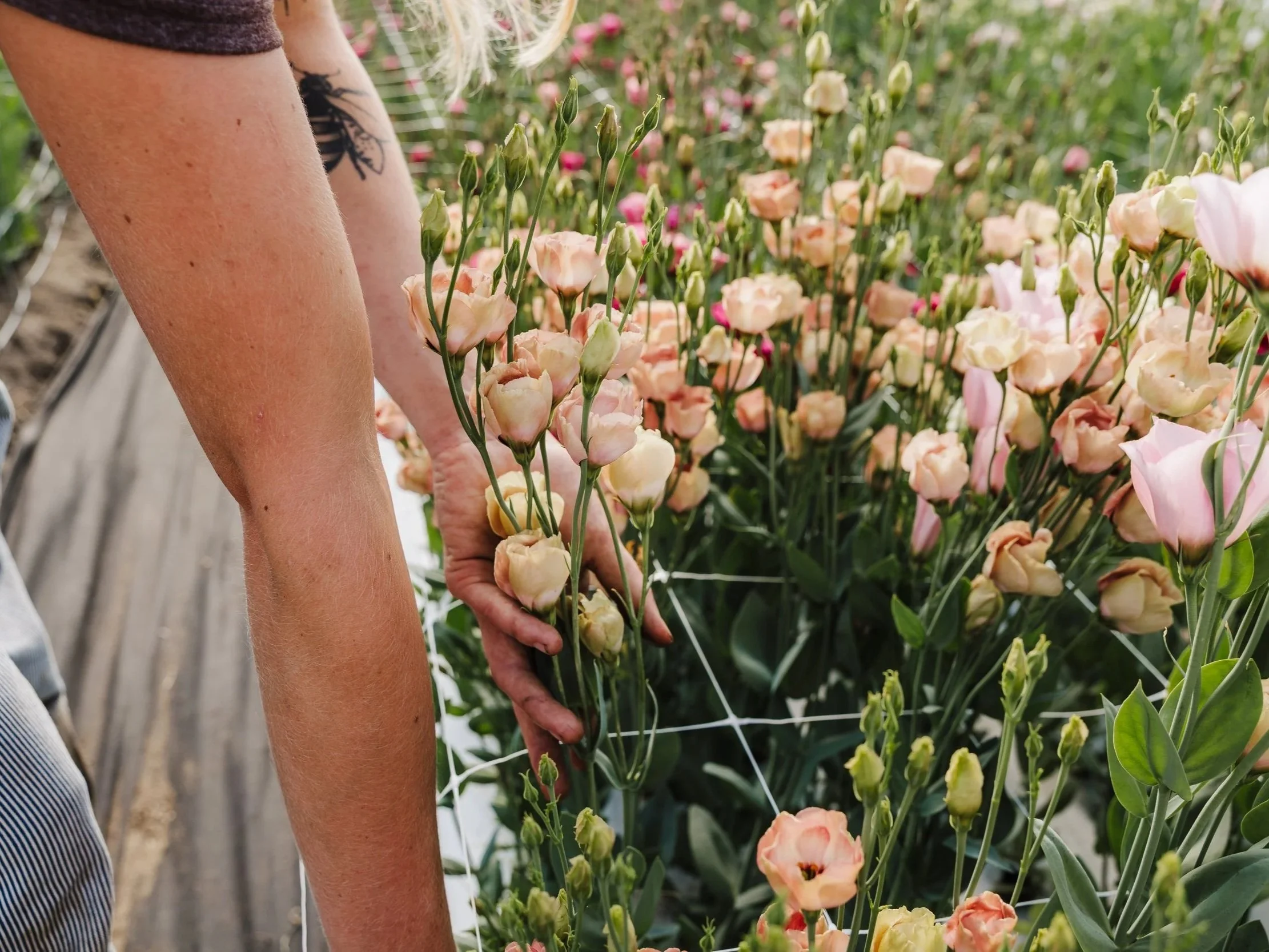
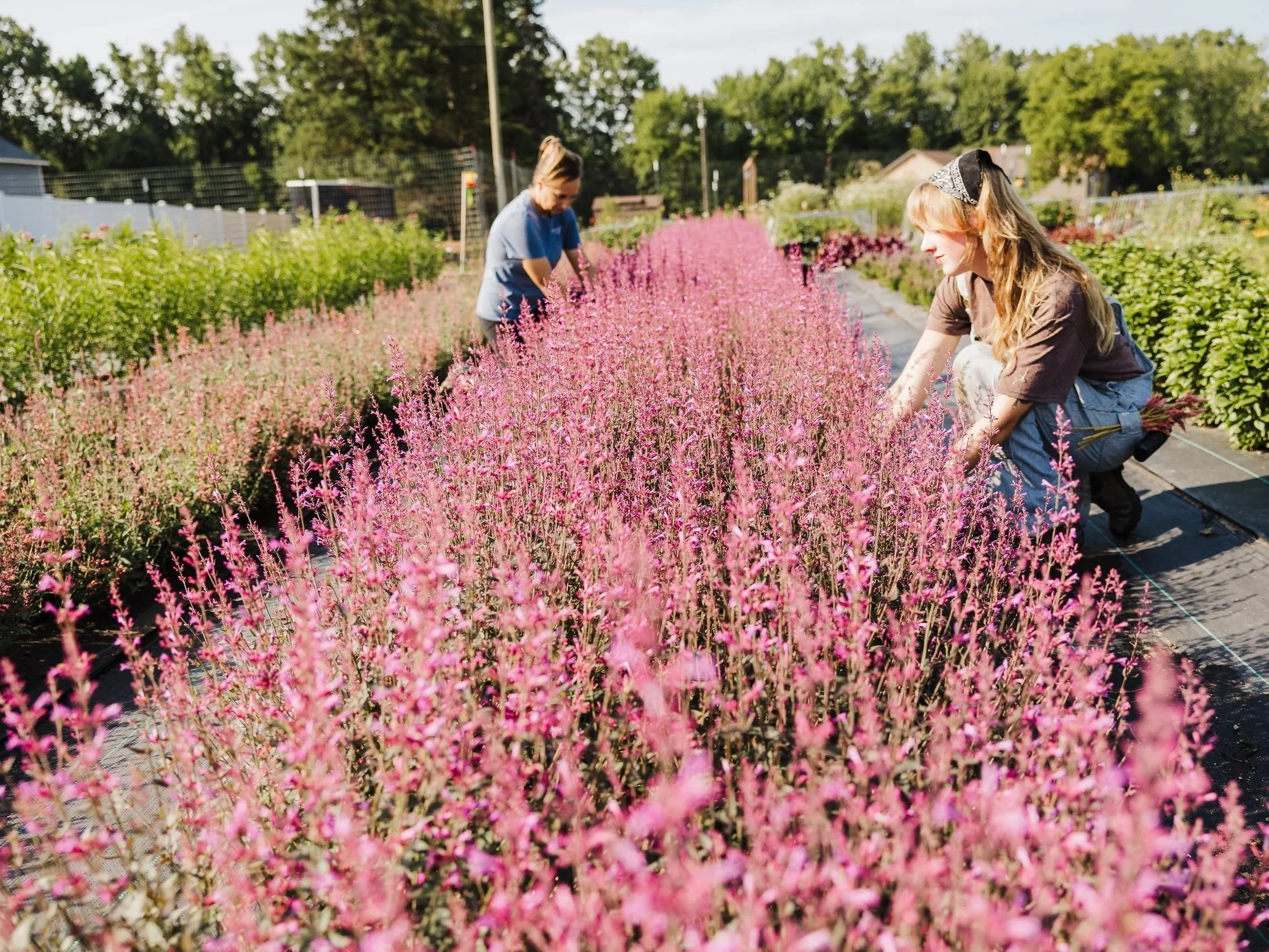
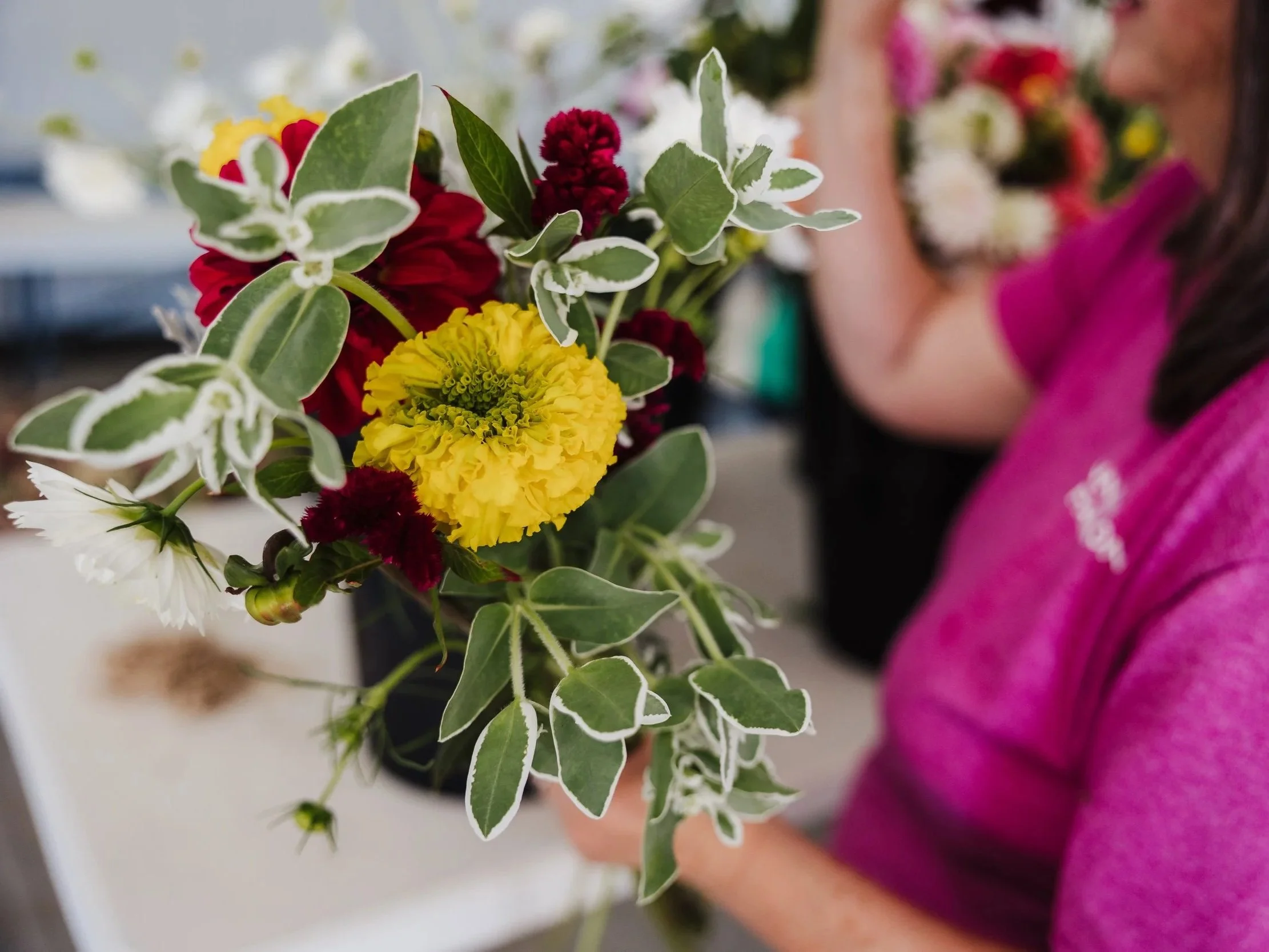
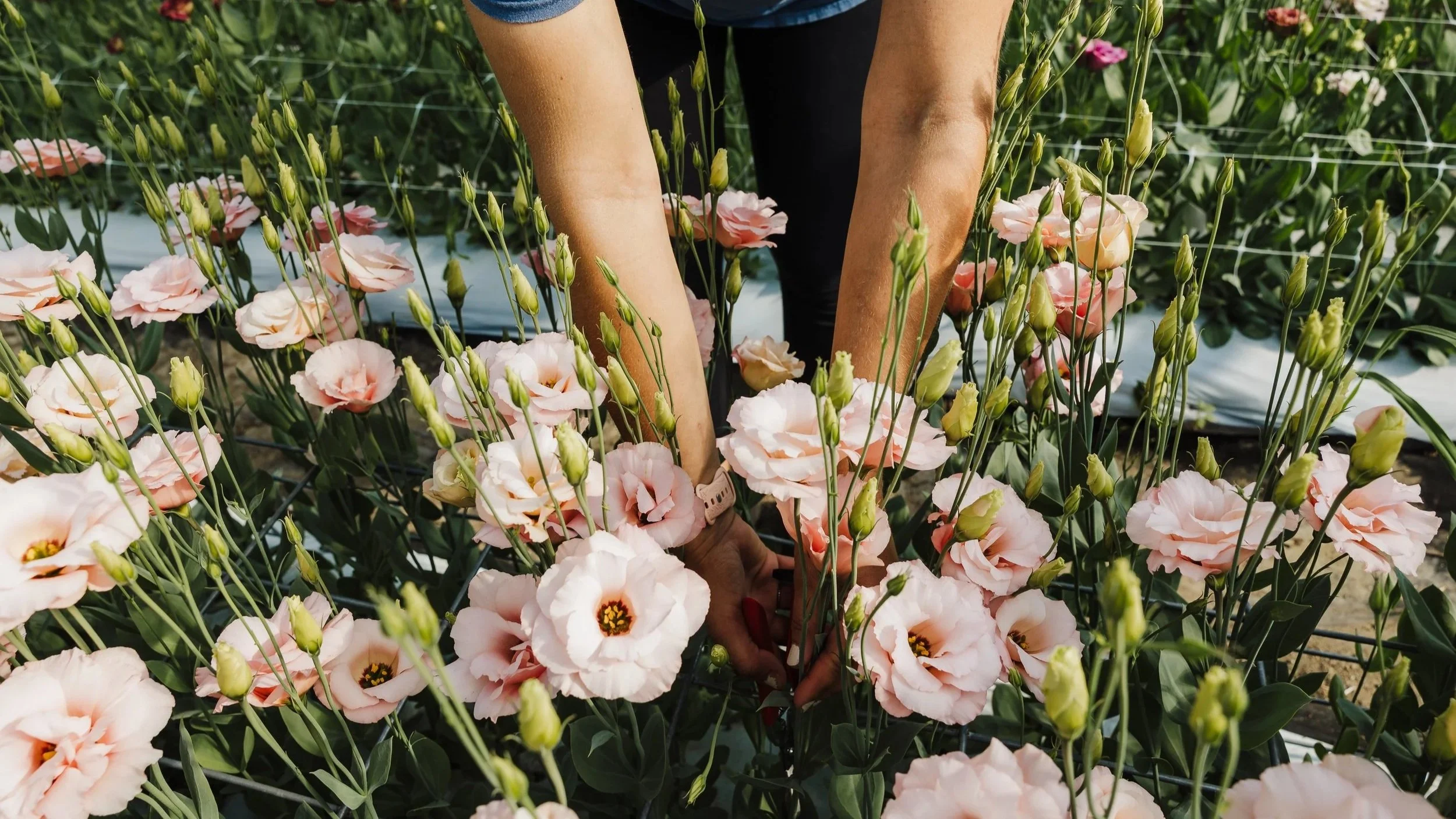
By midsummer, production shifts outdoors. Zinnias, cosmos, sunflowers, statice, and lisianthus dominate the fields through the warmest months, while dahlias become the featured crop beginning in August. At the same time, the tunnels are continuously repurposed for future harvests. Heated tunnels transition to fall crops, while unheated tunnels are prepared for overwintering plants. By mid-October, production moves back under cover, where eucalyptus and cool-season flowers are cultivated for the following spring. Winter is anything but an off-season.
Overwintering is one of Suzi's favorite aspects of flower production. Plants established in autumn spend the winter developing extensive root systems and strong vegetative growth. “Michigan-overwintered flowers are the most abundant, beautiful, vibrant flowers with the strongest stems,” she says.
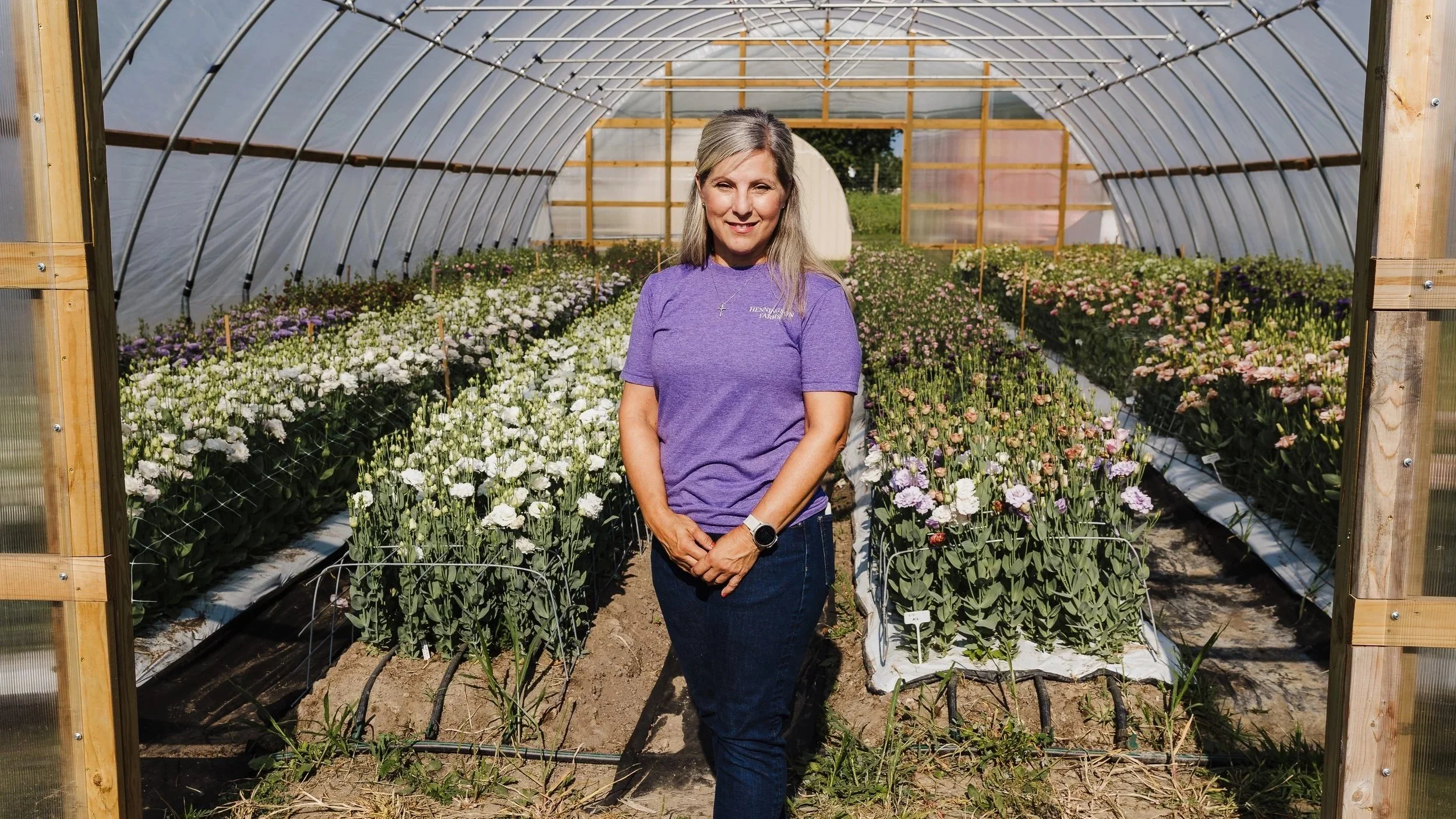
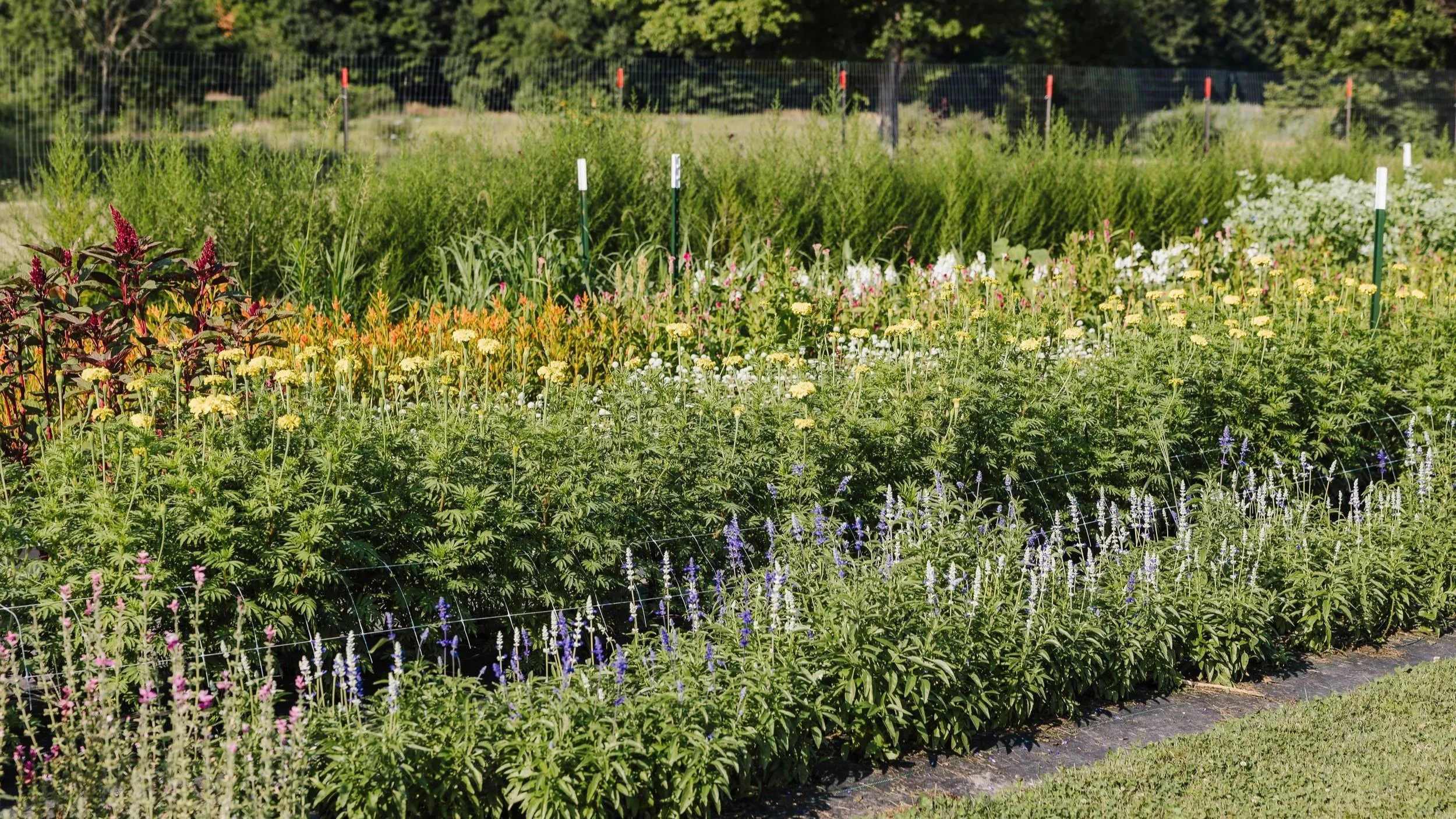
Land stewardship is an important part of the farm's philosophy. Flowering hedgerows serve as living boundaries while helping reduce wind erosion. Clover planted between growing beds naturally contributes nitrogen to the soil, replenishing nutrients removed during production. “It’s like walking on a sponge,” Suzi says.
Pollinators are also vital to the farm ecosystem. “Gotta have bees, right? Who’s going to do all that pollinating otherwise?” Their presence, however, requires careful consideration when managing pests.
“Balancing the need to protect our crops with our commitment to pollinator health is never easy. It's one of the most difficult decisions I make on the farm when we must use a pesticide. “It’s a hard bridge to cross, making that decision.”
When Japanese beetles threatened crops and aphids spread rapidly through rows of snapdragons, the farm had to balance crop protection with pollinator safety. Applications are limited and made by a certified applicator in the early morning, when bees are inactive. To further reduce chemical use, the farm has invested in a soil steamer that uses heat to eliminate weeds and pests without herbicides or pesticides.
When asked why locally grown bouquets may cost more than some alternatives, Suzi offers a unique perspective.
She believes locally grown flowers offer qualities imported flowers cannot match. “Roughly 80 percent of the flowers sold in this country are flown in, are treated heavily, and have little fragrance. Ours can’t be shipped at all. They’re too delicate, and they still have their fragrance, which imports have often lost.” Then she adds with a smile: “I wish our Instagram was scratch-and-sniff.”
At the front of the property, public display gardens welcome visitors. Chairs placed throughout the gardens encourage guests to slow down, relax, and enjoy the colors and fragrances that define the farm.
One Sunday, an elderly woman arrived after church wearing a butterfly-print shirt. She told Suzi she simply wanted to walk through the gardens. When rain began to fall, Suzi went out to invite her inside. The woman shared that her husband had recently passed away and that she had been forced to sell her home, leaving behind the gardens she once cherished.
“She said, ‘He would be so happy to see me standing here in the rain, just embracing this moment.’”
For Suzi, the encounter underscored a deeper purpose behind the farm. “It was so touching,” she says, “to know that Henningson Farms is a place of healing, too.